
NEWS
LATEST NEWS
- 01Stop Chasing Speed — Build a Better RC Habit
- 02AI Industry Podcast: What We Learned From 2026 Shanghai Low-Altitude Economy Expo
- 03Global market comparison between RC Car,RC Drone and RC Boat
- 04Shenzhen Drone Flight Area Control Rules | Full Guide
- 05Agricultural drone remote control | Professional Plant Protection Transmitter Guide
- 06Application of 2.4G Model Remote Controllers in the Low-Altitude Economy Sector
- 07How to calibrate drone RC controller | Full Step-by-Step Guide
- 08Drone RC Radio Controller: Ultimate Maintenance & Calibration Guide
- 09Is RC Hobby Shrinking? New User Growth & Pain Points Across Global RC Communities 2026
- 010When X9Pro version would be released based on X9S?

Address:3rd Floor,C1 Buliding,Xiangli Industry Park,Heping Haoye Road,Baoan District,Shenzhen,Guangdong,China.
Zip Code: 518103
Phone: +86 13410681808
E-mail:sale@radiocontrollers.com
NEWS
HOMENEWS
Industry Insight: Hall Gimbals RC Transmitters — Is It Worth Upgrading Your RC Radio Remote in 2026
2026-08-17 15:06:32 View:52When RC hobbyists upgrade their setups, most attention goes to motors, LiPo batteries and model frames. Yet the core input hardware inside your RC radio remotes — the gimbals — directly decides your control precision for RC drones, RC cars and RC boats. In 2026, hall‑effect gimbals have quickly become a hot‑selling feature on mid‑to‑high‑end RC transmitters. Many players are confused: what real advantages do hall gimbals bring? Is it worthwhile to replace your existing radio remote just for hall‑effect sticks? This article breaks down technical differences, real‑world user experience and upgrade suggestions for both hobby enthusiasts and global buyers.
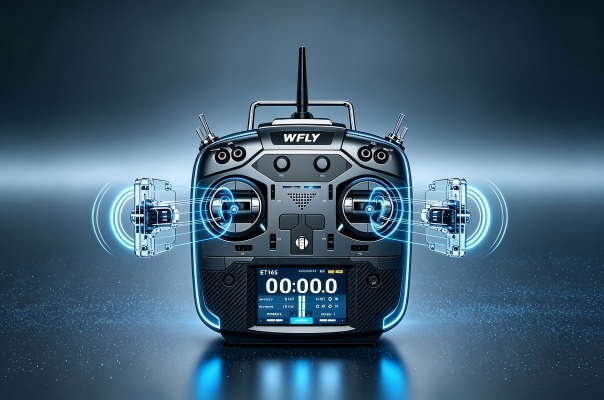
For decades, potentiometer‑based gimbals dominated the RC transmitter market. They are low‑cost and meet basic control demands. But mechanical wear, drift and dead‑zone issues appear after long‑time use. Hall‑effect gimbals adopt contact‑less magnetic sensing technology, bringing obvious changes to stick feel, signal stability and service life. Before you place a new order or upgrade your personal transmitter, you need to understand both strengths and limitations.
Table of Contents
1. What Are Hall‑Effect Gimbals For RC Transmitters
Hall‑effect gimbals rely on magnetic field induction rather than physical sliding carbon contacts to detect stick movement. There is no mechanical friction contact inside the gimbal unit. When you move the joystick, magnetic sensors capture position data and output precise signal values to your RC transmitter mainboard.
Traditional potentiometer gimbals use sliding carbon brushes touching resistor boards. Every stick movement creates physical friction. As usage accumulates, carbon material wears away, which causes signal jitter, center drift and dead‑zone phenomenon widely reported by RC pilots.
2. Hall Gimbals VS Traditional Potentiometer Gimbals
Service Life
Potentiometer gimbals suffer contact wear; heavy‑use pilots may notice jitter within 1‑2 years. Hall‑effect contact‑less design greatly reduces wear, extending usable lifespan significantly.
Signal Precision & Consistency
Hall‑effect sensors deliver smoother, more linear position feedback. Potentiometer units may generate tiny signal noise when contacts become worn. This difference matters especially for FPV drone racing, scale car drifting and precise boat maneuvering.
Center Return Performance
Well‑tuned hall gimbals maintain stable center point for thousands of operations. Old potentiometer gimbals gradually lose accurate center return, bringing unwanted drift for your RC drones.
Cost
Hall‑effect gimbal hardware increases the BOM cost. RC radio remotes equipped with hall gimbals usually sit in mid‑high price brackets, while potentiometer‑gimbal transmitters remain budget‑friendly.
3. Real‑World Benefits of Hall‑Effect Gimbals In RC Hobby
For frequent pilots, the biggest gain is long‑term stability. You spend less time recalibrating gimbals or repairing drifting sticks. FPV drone pilots benefit from smoother stick input for fine‑angle flight adjustments. RC drift car players get more predictable steering feedback during sharp corner control. For RC boats, precise throttle and rudder response helps when navigating narrow water areas.
Another practical advantage is reduced maintenance work. Potentiometer gimbals sometimes need cleaning or replacement parts. High‑quality hall‑effect gimbal units rarely require service over the transmitter’s lifecycle.
4. Drawbacks Of Hall Gimbal RC Radio Remotes
First, higher purchase cost. If you are on a tight budget, hall‑gimbal transmitters raise your entry‑level expense. Second, not all hall gimbals perform equally. Low‑cost hall‑effect copies may have poor magnetic calibration, leading to inconsistent stick feeling.
Some long‑time hobbyists also mention stick‑feel differences. Hall‑gimbal spring tension varies by manufacturer. Certain users feel unfamiliar when switching over from classic potentiometer gimbals, requiring a short adaptation period.
5. Who Should Upgrade To Hall Gimbal RC Transmitters
Heavy‑usage pilots: fly or drive models multiple times each week;
FPV racers, RC drift and scale racing participants pursuing high‑precision control;
Global B‑side buyers sourcing durable transmitters for rental clubs or training centers;
Users already suffering gimbal drift and jitter from old potentiometer‑style RC radio remotes;
Long‑term hobby users planning to keep one transmitter for many years.
6. Who Does Not Need Hall‑Effect Gimbals
Beginners who only operate models occasionally on weekends;
Strict‑budget users, and casual players not chasing ultra‑fine control;
Hobbyists whose current potentiometer‑gimbal remote still works perfectly without drift or jitter.
For new‑comers, it makes more sense to learn basic radio tuning first before paying extra for hall‑effect hardware. A well‑calibrated potentiometer gimbal can satisfy most beginner‑level missions for RC cars, drones and boats.
7. Practical Buying Tips For Hall‑Gimbal RC Radio Remotes
Do not only focus on the “hall‑gimbal” marketing label. Check three key points: gimbal spring‑tension adjustability, factory calibration quality, and overall transmitter firmware support such as ELRS / OpenTX compatibility.
If you already own a good transmitter with potentiometer gimbals, evaluate its current status. If it has no drift, jitter or wear symptoms, upgrading only for hall‑effect may not bring you obvious real‑world performance improvement. You can wait until your existing remote reaches end‑of‑life.
8. Frequently Asked Questions About Hall‑Effect RC Gimbals
Can I retrofit hall‑effect gimbals into my old RC transmitter?
Some transmitters support third‑party hall‑gimbal modification. However, modification needs soldering work and re‑calibration. Poor‑quality retrofit may introduce new stability risks. For most users, buying a factory‑built hall‑gimbal RC radio remote is more reliable.
Do hall‑effect gimbals completely eliminate gimbal drift?
Greatly reduce wear‑caused drift, but drift can still appear from improper firmware calibration or magnetic interference. Regular gimbal calibration is still recommended.
Is hall‑gimbal hardware mandatory for FPV drone racing?
No. Many competitive pilots still use well‑maintained potentiometer‑gimbal transmitters. Hall gimbals are a durability‑oriented upgrade rather than a must‑have racing requirement.
What is the biggest difference you will feel after switching to hall‑gimbal remotes?
Smoother stick output and stable center point after hundreds of hours of usage. The short‑term handling feeling may be similar between two types of gimbals.
Where to find reliable hall‑gimbal RC radio remotes?
rcradioremote.com provides multiple hall‑effect gimbal RC transmitters, suitable for drone, car and boat users, for both personal hobby and bulk‑order business buyers.
To sum up: hall‑effect gimbals represent meaningful progress for RC radio remote hardware. They shine in service life, anti‑wear performance and long‑term signal stability. Still, they are not a universal must‑upgrade for every RC hobbyist. Evaluate your usage frequency, budget and existing transmitter condition before making purchasing decisions. Heavy‑use pilots and business‑end buyers will harvest the most value from hall‑gimbal upgrades, while casual users can safely stick with qualified potentiometer‑gimbal transmitters.
rcradioremote.com supplies professional programmable RC radio remotes and receivers for RC drones, RC cars and RC boats. Both potentiometer‑gimbal and hall‑effect‑gimbal transmitter options are available for hobby players and global wholesale customers.
Recommend